October 13, 2026
Upgrading your kitchen countertops is one of the most impactful home renovation projects you can undertake, instantly transforming the visual style, everyday functionality, and resale value of your home. However, choosing new surfaces involves much more than simply picking an attractive color swatch or pattern. A successful renovation requires careful planning around budgeting, structural readiness, maintenance expectations, and precise installation techniques. Partnering with experienced countertop installers ensures that your design vision transitions seamlessly from a rough concept into a long-lasting, beautifully finished reality. Before diving into material samples and showroom visits, here are eight crucial factors every homeowner must consider before making a final decision.
Evaluating Material Options and Daily Performance
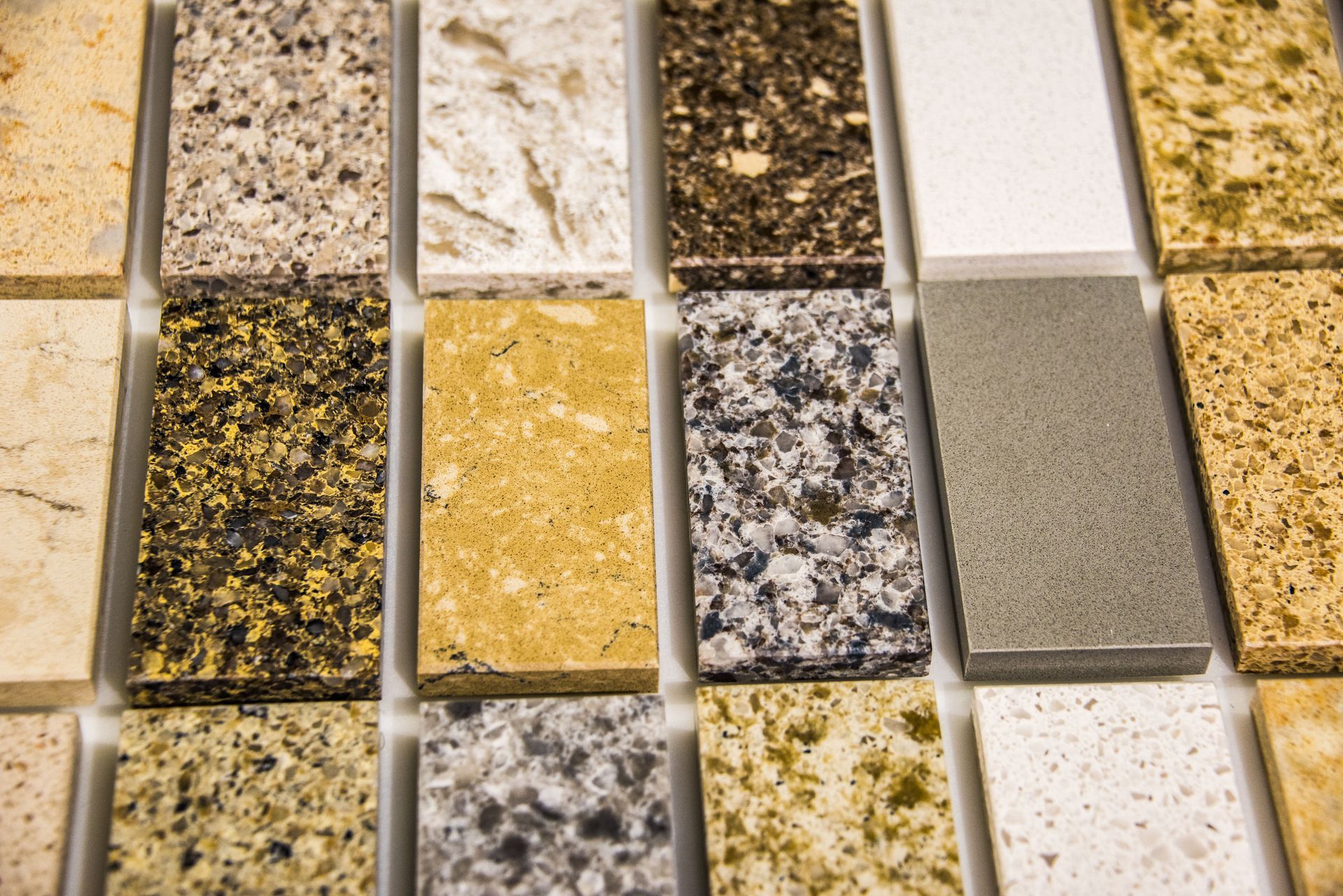
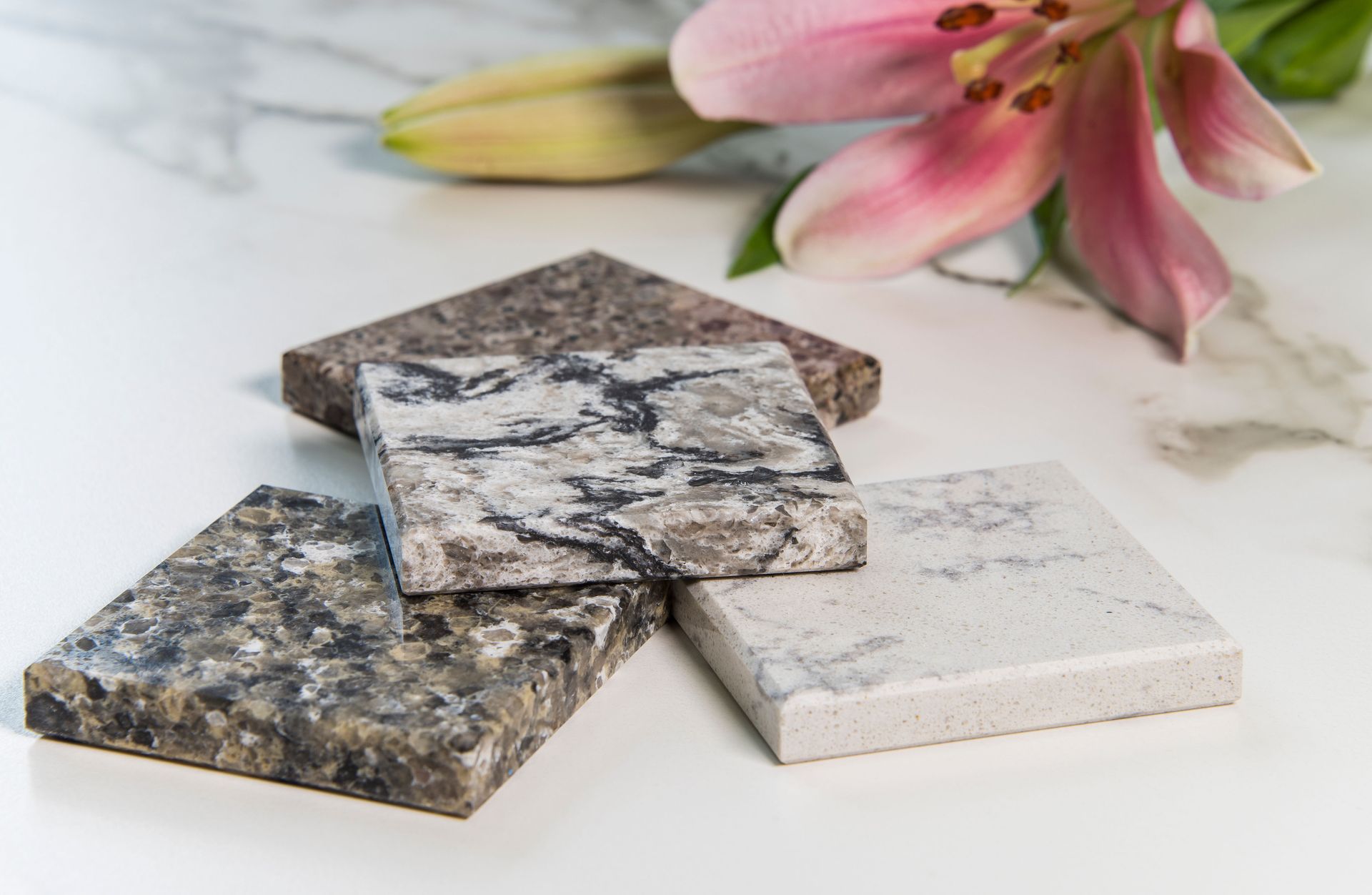
Choosing the right surface material is the foundation of any successful kitchen upgrade. Today's market offers a wide variety of choices, including quartz, natural granite, and timeless marble. Each option presents distinct advantages regarding durability, heat resistance, stain susceptibility, and overall aesthetic charm.
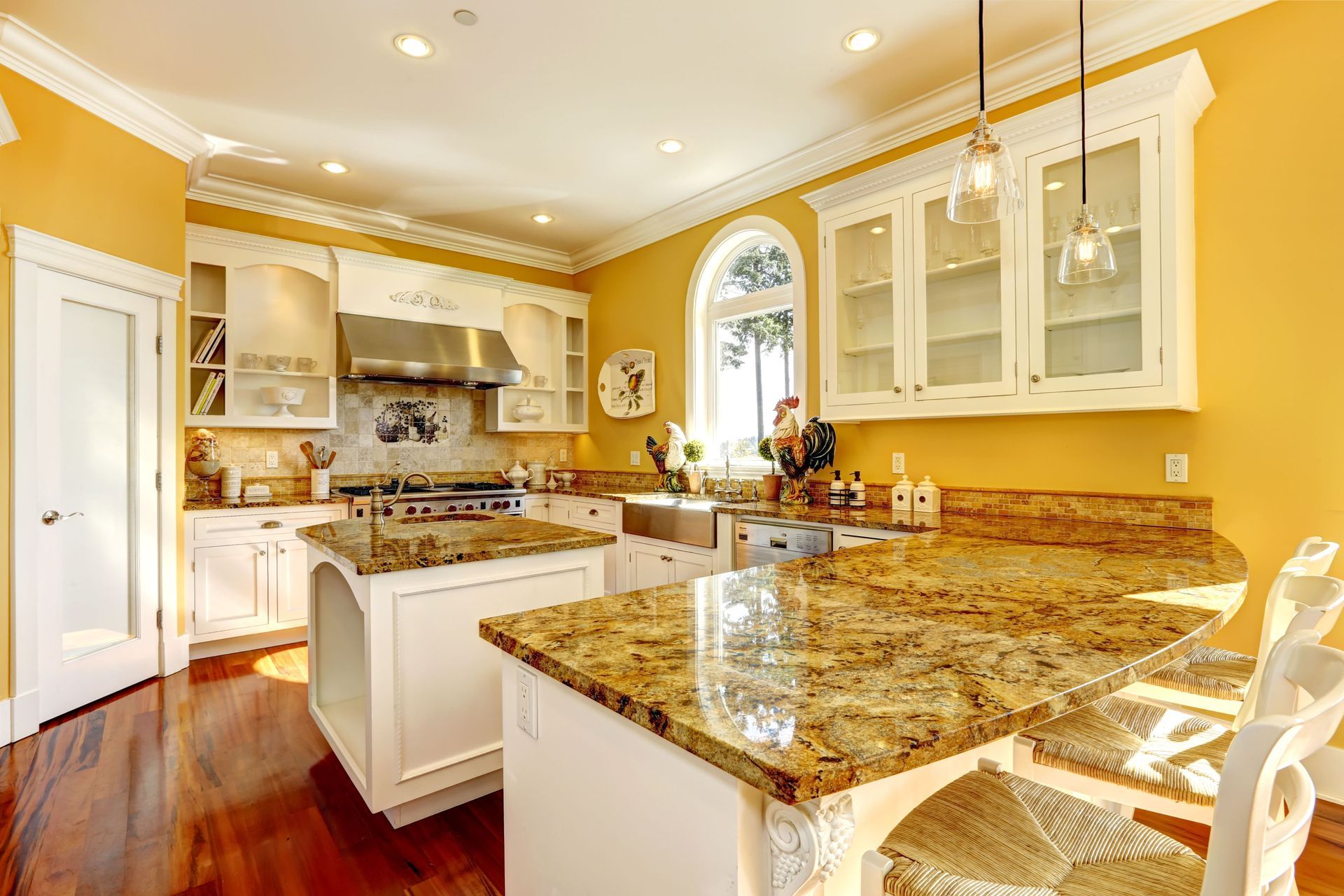
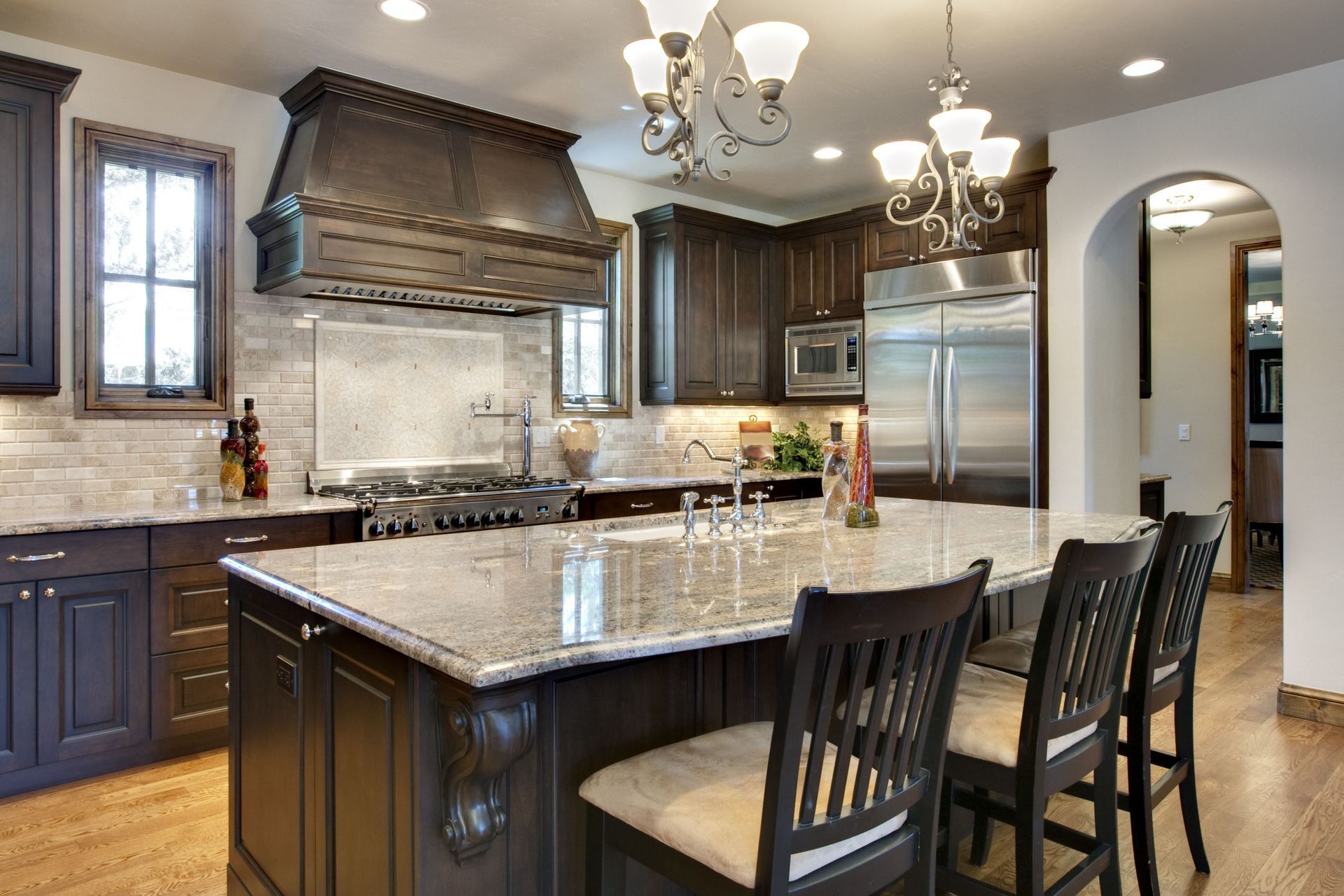
When narrowing down your choices, you must realistically assess your daily cooking habits, lifestyle needs, and cleaning preferences. Families with young children or avid home cooks may prioritize stain-resistant and low-maintenance quartz, while avid bakers might prefer the cool surface of natural marble for rolling dough. Furthermore, according to This Old House, granite remains one of the most popular choices for kitchen surfaces because of its exceptional durability and unique customizability. Working closely with knowledgeable countertop installers during the selection process allows you to evaluate physical swatches against your real-world performance needs.
Estimating Total Costs and Project Budgeting
Establishing a comprehensive, realistic budget early in the process prevents unexpected financial stress as your project unfolds. The total expenditure for new kitchen surfaces extends far beyond the raw square-foot price of the slab itself. Homeowners must account for fabrication labor, edge profile customization, sink cutout fees, backsplashes, and the removal and disposal of old materials.
To safeguard your financial plan, always request an itemized cost breakdown before signing agreements or purchasing materials. Reputable countertop installers will provide detailed, line-item estimates upfront, helping you align your aesthetic desires with your actual financial limits without hidden surprises.
Measuring Existing Spaces and Structural Support
Before new surfaces can be custom-fabricated, your kitchen's physical dimensions and structural framework must be thoroughly inspected. Heavy natural stone slabs—such as granite or marble—exert substantial weight on underlying cabinetry and floor structures. If base cabinets are warped, damaged, or unlevel, they must be repaired or reinforced to prevent cracking or seam failure in the new stone over time.
Precision is paramount when measuring countertop dimensions, appliance cutouts, and wall angles, as walls are rarely perfectly square. Modern fabrication relies heavily on digital laser templating to capture exact contours, ensuring a snug fit against walls and seamless joins at corner intersections. Professional countertop installers use advanced measuring tools and conduct structural checks prior to fabrication, giving you complete confidence that your new slabs will be safely and securely supported.
Selecting Edge Profiles and Finish Options
The fine details of your countertop choice play a major role in defining the overall architectural tone of your kitchen. Edge profiles, for example, range from clean, modern eased or square edges to traditional bevel, bullnose, and ornate ogee designs. Beyond aesthetics, edge choices impact safety and cleanability; rounded bullnose edges are child-friendly with no sharp corners, whereas detailed ogee profiles require extra effort to wipe clear of crumbs and dust.
In addition to edge profiles, you must select an appropriate surface finish. Polished finishes deliver a high-gloss, reflective look that emphasizes stone color and pattern depth. Honed finishes offer a smooth, matte appearance that hides minor surface wear, while leathered or textured finishes provide a tactile, low-sheen surface that effectively conceals fingerprints and water spots. Custom edge profiles and surface finishes crafted by skilled countertop installers can elevate standard slabs into tailored design statements.
Planning Plumbing, Appliance, and Electrical Connections
A countertop replacement rarely happens in complete isolation; it directly impacts surrounding appliances, sinks, faucets, and electrical outlets. You must decide on your sink style—whether undermount, top-mount, or a heavy apron-front farmhouse sink—prior to slab fabrication, as each style requires precise cutout dimensions and specific mounting support systems.
Coordinating the timeline between trade professionals is essential for a smooth installation day. Plumbing supply lines and drain connections must be safely disconnected before old surfaces are removed, and cooktops, slide-in ranges, and dishwashers must be temporarily unhooked or moved. Collaborating with certified plumbers and experienced countertop installers guarantees that cutouts match appliance specifications exactly and that water and gas connections are safely re-established once the slabs are set.
Understanding Maintenance and Long-Term Care
Every countertop material comes with its own set of long-term care guidelines, and understanding these commitments beforehand ensures your investment retains its beauty for decades. Porous natural stones like granite and marble require periodic sealing to guard against liquid penetration and staining. In contrast, non-porous surfaces like quartz never require sealing, though they can still suffer thermal damage from hot pots placed directly on the surface.
In addition to routine sealing, daily cleaning habits should be tailored to your specific material. Acidic cleaners, harsh chemicals, and abrasive scouring pads can etch delicate marble or dull the protective polish on granite. Taking time to review product care instructions and routine maintenance schedules recommended by your chosen countertop installers helps you establish safe cleaning routines that preserve surface integrity without unnecessary effort.
Coordinating Demolition, Delivery, and Site Preparation
Preparing your home for installation day minimizes disruption, protects your property, and keeps the project on schedule. The process begins with the careful demolition and removal of existing countertops, backsplashes, and sinks. Care must be taken during teardown to avoid damaging existing cabinetry, wall drywall, or surrounding floor tiles.
On delivery day, large stone requires clear, unencumbered walkways from your driveway or entrance into the kitchen. Slabs are extremely heavy and rigid, making navigation through narrow hallways or tight turns challenging. Homeowners should clear entryways, protect flooring with protective runners, and ensure pet and child safety throughout the installation process. Communicating site access details with your countertop installers ahead of time ensures a safe, efficient delivery and setting phase.
Inspecting Final Seams and Quality Workmanship
The final stage of a countertop replacement is a thorough post-installation inspection. While slabs are engineered or cut off-site, final fitting, leveling, seaming, and silicone caulking occur inside your home. Seam placement is a critical artistic and technical step; high-quality seams should be tight, smooth to the touch, and strategically located in low-visibility areas or aligned with natural grain patterns.
Once installation is finished, inspect all visible surfaces under bright, direct lighting. Check that undermount sinks are securely attached with proper caulking seals, inspect seams for consistent color-matched epoxy fill, and test perimeter edges for smooth polish. Walking through the completed project with your countertop installers allows you to verify that every detail meets professional standards before final sign-off.
Replacing your kitchen countertops is a rewarding home investment that dramatically improves both the utility and beauty of your living space. By thoroughly evaluating material options, establishing a clear budget, preparing structural supports, and understanding long-term maintenance requirements, you can navigate the renovation process with ease and confidence. Taking the time to plan every detail carefully ensures a smooth, stress-free transformation and guarantees complete satisfaction when working with trusted
countertop installers. Investing in quality craftsmanship and thoughtful preparation turns your kitchen into a stunning, durable centerpiece that your family will enjoy for many years to come.
Are you ready to transform your kitchen with beautiful, durable new surfaces? Contact the expert team at Stone Haven Solid Surfaces today to schedule your complimentary design consultation and accurate project estimate. Let us handle every detail of your kitchen upgrade so you can enjoy a flawless, stress-free installation!